How To Troubleshoot Google Pixel Tablet Speaker Dock Charging Dropout?
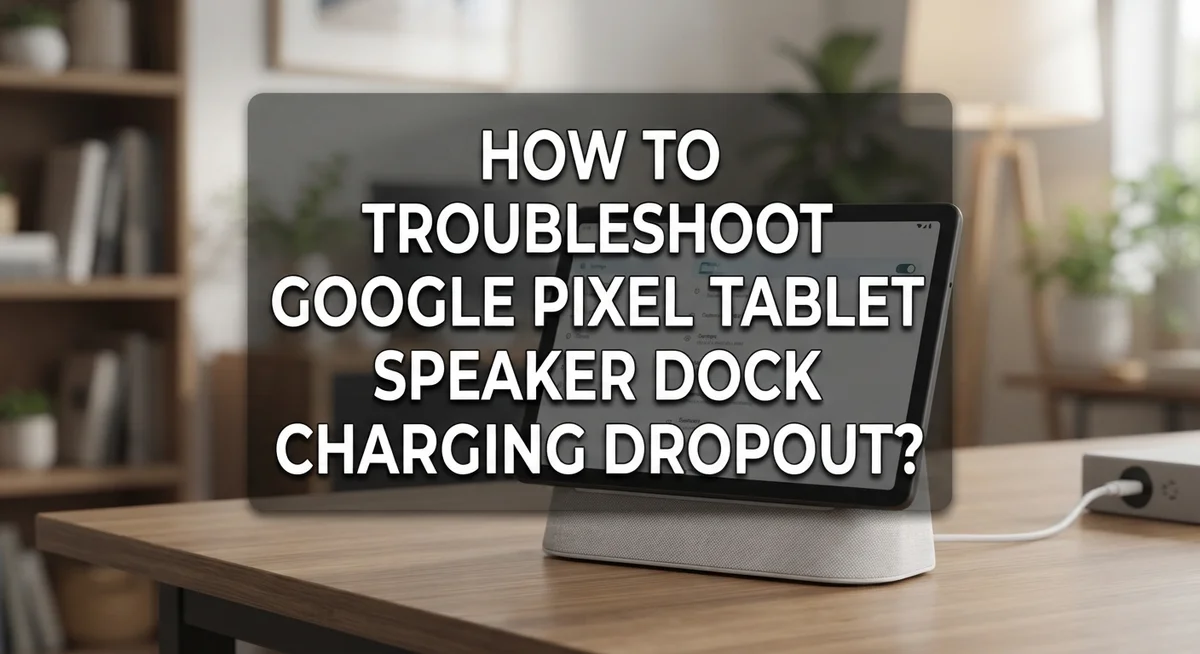
Your Google Pixel Tablet suddenly stops charging on its Speaker Dock. You place it on the dock, wait a bit, and nothing happens. This kind of charging dropout can feel frustrating, especially when you rely on the dock daily.
The good news? This problem is common and often easy to fix. Most dropout issues happen due to loose connections, power outlet problems, or a dock that needs a fresh restart.
In this guide, we will walk you through simple steps to troubleshoot your Speaker Dock charging issue. You will learn how to check your tablet’s connection, test different power outlets, and inspect the USB-C port for debris.
We will also cover how to factory reset your dock the right way. Timing matters here, and skipping steps can lead to more frustration.
By the end, you will know the most frequent mistakes people make when fixing this issue. You will also find quick answers to common questions about docking mode and audio problems.
Let’s get your tablet charging smoothly again.
In a Nutshell
Here’s a quick rundown to fix your charging dropout issue fast:
-
Detach and reattach the tablet from the dock. This simple step fixes many connection problems right away.
-
Switch power outlets to rule out a faulty socket. A weak outlet often causes charging dropouts.
-
Unplug the dock from the wall and wait a few minutes. This lets the dock reset before you plug it back in.
-
Inspect the USB-C port for dust or debris. Small particles can block a proper connection.
-
Factory reset the dock if other steps don’t work. Always wait for the full reboot before placing your tablet back on it.
-
Avoid rushing the process. Reattaching your tablet too early is a common mistake that stops the fix from working.
Follow these steps in order for the best results. Most charging dropout issues clear up once you complete the full cycle. Your tablet should charge normally again once the dock finishes rebooting properly.
Understanding the Charging Speaker Dock Connection
Your Pixel Tablet Speaker Dock uses a USB-C connection to charge your device. This connection is what allows power to flow from the wall outlet to your tablet. When this connection fails, your tablet stops charging even though it sits on the dock.
The dock has two main parts. The first part is the physical connector on the dock itself. The second part is the USB-C port on your tablet. These two pieces must align perfectly for charging to work.
Power delivery happens through this connection. Your wall outlet sends electricity to the dock. The dock then passes that power to your tablet through the USB-C port. If anything interrupts this flow, charging stops.
The dock also sends signals to your tablet. These signals tell your tablet that it is sitting on the dock. Your tablet then enters docking mode. This mode may trigger special features like showing a clock or playing music. If the signal connection drops, your tablet loses docking mode even if it still charges.
Common connection points where problems happen include the USB-C port on both the dock and tablet, the physical contact points where your tablet sits, and the power cable connection at the wall.
Dust and debris are the biggest enemies of this connection. Even tiny particles can block the signal or prevent proper power delivery. Loose connections also cause dropout issues. Sometimes your tablet is not sitting flush against the dock.
Understanding how this connection works helps you fix it faster. You now know that both physical alignment and electrical contact matter. This knowledge guides your troubleshooting steps forward.
Signs of a Charging Dropout Issue
Your tablet may show several clear signs that your Speaker Dock charging connection has a problem. Watch for these indicators to catch issues early.
The most obvious sign is when your tablet stops charging completely even though it sits on the dock. You may see the charging icon disappear from your screen. The battery percentage stays flat or drops lower over time.
Another warning sign is intermittent charging. Your tablet charges for a few minutes, then stops. The charging icon appears and disappears randomly. This on and off pattern happens without you moving the tablet.
Pay attention to connection dropouts as well. Your tablet may disconnect from the dock’s audio or network features. You might hear crackling sounds or experience audio cuts during playback. The tablet screen may flicker when seated on the dock.
Look for physical misalignment issues too. Your tablet may sit loosely on the dock instead of fitting snugly. It rocks back and forth easily when you touch it. The dock may not hold the tablet in the proper charging position.
Temperature changes can signal problems as well. Feel the dock’s bottom or USB-C port area. If it feels unusually hot or cold, the charging circuit may be malfunctioning. Excessive heat during charging indicates a serious issue.
Your tablet’s screen may also display error messages. Some tablets show “Charging paused” or similar notifications. These messages mean the dock detected a problem with the connection or power delivery.
Don’t ignore these signs. Early detection prevents battery damage and extends your dock’s life. If you notice any of these symptoms, start troubleshooting right away using basic steps first before attempting advanced fixes.
Step-by-Step: Reattaching the Tablet Correctly
Start by powering off your Pixel Tablet completely. This prevents any electrical issues during reattachment.
Next, gently remove the tablet from the Speaker Dock. Use both hands to support the tablet as you pull it away. Move slowly and avoid sudden jerking motions.
Inspect the charging contacts on both the dock and tablet. Look for any dirt, dust, or residue on the metal contact points. Use a dry, soft cloth to wipe these areas clean if needed.
Position your tablet back onto the dock carefully. Align the tablet’s charging contacts with the dock’s metal connectors. You should hear or feel a slight click when the tablet sits properly in place.
Press down gently on the tablet to ensure it makes full contact with the dock. The tablet should sit flat and stable without wobbling. If it rocks side to side, remove it and reposition it.
Check that the tablet is centered on the dock. Misalignment is a common reason charging fails. The contacts must line up perfectly for power delivery to work.
Turn your tablet back on after reattachment. Wait a few seconds to see if the charging indicator appears on your screen. A charging icon or notification confirms successful connection.
Leave the tablet undisturbed on the dock for at least one minute. This allows the connection to stabilize. Avoid moving or tapping the device during this time.
If charging still doesn’t work, remove the tablet again. Wait 30 seconds before reattaching. Sometimes a brief pause helps reset the connection between devices.
This simple reattachment process fixes the problem in many cases. Take your time with each step. Rushing through this process often leads to continued charging issues.
Step-by-Step: Testing Power Outlets and Cables
Power outlet problems cause many charging failures. Your dock needs consistent electrical power to deliver energy to your tablet. Start by testing the outlet itself with another device you know works well.
Plug a lamp, phone charger, or any household device into the same outlet where your dock sits. Turn on that device and confirm it receives power. If the other device works, your outlet is fine. If it doesn’t work, try a different outlet in another room.
Once you find a working outlet, unplug your dock completely. Wait for 30 seconds. This pause lets the dock’s internal systems reset. Plug the dock back into the working outlet. This simple power cycle often restores normal charging function.
Next, examine the USB-C cable that connects your dock to the wall outlet. Look for visible damage like bent connectors, frayed wires, or bent metal pins. Gently wiggle the cable where it connects to the dock. If the connection feels loose or unstable, the cable may need replacement.
Try using a different USB-C cable if you have one available. Borrow one from another device temporarily to test. Connect this alternate cable to your dock and see if charging works.
Check the power adapter itself for any unusual heat, burning smells, or physical damage. These signs indicate the adapter has failed.
Don’t skip testing multiple outlets. Faulty outlets are more common than people realize. A wall outlet that looks normal may have internal damage. Testing with a different working device proves whether the outlet delivers power correctly.
These practical tests eliminate power delivery problems before you move to more complex troubleshooting steps.
Step-by-Step: Inspecting and Cleaning the USB-C Port
The USB-C port is where your dock connects to the power source and communicates with your tablet. Debris, dust, or lint can block this connection and cause charging to drop out suddenly.
Start by unplugging your dock from the wall outlet. This keeps you safe while you inspect the port. Use a flashlight to look directly into the USB-C port on the back or bottom of your dock. You’re looking for any visible dust, lint, or foreign material inside.
If you see debris, use a soft, dry tool to remove it. A wooden toothpick or plastic pick works well here. Gently insert the tool into the port and sweep it carefully. Never use metal objects, as they can damage the port’s internal connections. Avoid pushing too hard or jabbing the port.
Next, inspect the USB-C cable itself. Look at both ends of the cable for bent pins, corrosion, or damage. The metal connectors should be shiny and clean. If the cable looks dirty, wipe the metal connectors gently with a dry cloth.
Check the dock’s charging contacts where your tablet sits. These metal pads should be clean and free of dust. Wipe them with a soft, dry cloth as well.
After cleaning, wait a few minutes before plugging the dock back in. This allows any residual moisture to evaporate. Reattach your tablet and monitor the charging status for the next 30 minutes.
Cleaning the USB-C port fixes many charging dropout problems. Debris accumulation is one of the most common reasons docks fail to charge properly. This simple maintenance step often restores full charging function and prevents future connection issues.
Step-by-Step: Factory Resetting the Dock
A factory reset clears software issues that prevent your dock from charging your tablet properly. This process restores the dock to its original settings and often fixes connection problems.
Start by unplugging your dock from the wall outlet. Wait for at least 30 seconds. This gives the dock time to fully power down and clear any temporary errors stored in its memory.
Locate the reset button on your dock. This button is usually small and recessed into the device. You may need a paperclip or similar tool to press it. Hold the reset button for 10 to 15 seconds until you see lights flash or hear a sound indicating the reset has started.
Release the button and let your dock sit unplugged for another minute. Do not plug it back in immediately. The dock needs time to complete its internal reset cycle.
After waiting, plug your dock back into the wall outlet. Watch for startup lights or sounds. Your dock will take a few minutes to fully reboot and restore its settings.
Wait at least five minutes before reattaching your tablet. This is crucial. Reattaching too quickly can interrupt the reboot process and cause the problem to return.
Once the dock finishes rebooting, gently place your tablet back onto the dock. Press down lightly to ensure proper contact. The charging should now work normally.
If your tablet still won’t charge after the factory reset, the problem likely involves hardware damage rather than software. In that case, you may need to explore additional troubleshooting steps or contact support for further assistance.
Common Mistakes That Prevent a Fix
Many people make simple mistakes that prevent them from fixing their charging dropout problem. Understanding these errors helps you solve the issue faster.
The biggest mistake is reattaching your tablet before the dock finishes its full reboot cycle. After a factory reset, your dock needs time to restart completely. If you place your tablet back too quickly, the dock hasn’t loaded all its software yet. This causes the charging connection to fail again. Wait at least five minutes after plugging the dock back in before reattaching your tablet.
Another common error is skipping the power outlet test entirely. Many people assume their wall outlet works fine because other devices plug in there. Outlets can fail partially and still power some items while refusing to charge others. You must test your dock in a different outlet before moving forward with other fixes.
People also overlook the USB-C port inspection. Dust, lint, and debris collect inside the port over time. This buildup blocks the charging connection even when everything else works correctly. A quick visual check takes seconds but solves many problems.
Don’t assume your USB-C cable is fine just because it looks okay. Cables develop internal damage that isn’t visible from the outside. The connection might work sometimes and fail other times. Testing with a different cable eliminates this variable.
Finally, many users rush through troubleshooting steps. They detach the tablet, wait a few seconds, and reattach it. Proper troubleshooting requires patience. Each step needs time to work correctly. Skipping these timing requirements means you’ll repeat the same steps over and over without success.
When to Seek Further Support
If you’ve completed all the basic troubleshooting steps and your tablet still won’t charge through the speaker dock, it’s time to consider professional help. You’ve done the hard work already by testing power outlets, cleaning the USB-C port, and performing a factory reset.
Contact Google Support directly if your dock remains unresponsive after these attempts. Google’s support team can access your device history and determine if your dock has a hardware defect. They may offer repair or replacement options depending on your warranty status.
Before reaching out, gather some key information. Write down when the charging dropout started happening. Note which troubleshooting steps you completed and what results you got. Take photos of the USB-C port if you noticed any visible damage during inspection. This information helps support representatives understand your situation faster.
Visit an authorized service center if you prefer in-person assistance. Technicians can run diagnostic tests on your dock that you cannot perform at home. They can identify internal circuit problems or connection failures that aren’t obvious from the outside.
Keep your original purchase receipt and packaging if possible. These documents prove your ownership and warranty eligibility. If your dock is still under warranty, repairs or replacements typically cost you nothing.
Don’t attempt to disassemble your dock yourself. Opening the device can void your warranty and create safety hazards. The internal components carry electrical charge that can cause injury.
Waiting too long to seek support can make your situation worse. If a hardware problem exists, continued use might cause additional damage to your tablet’s charging port as well.
Final Thoughts
Charging dropout issues with your Google Pixel Tablet speaker dock feel frustrating. But most problems have simple fixes.
Start with the basics. Detach your tablet and reattach it properly. Check that it sits flush on the dock.
Test a different power outlet next. This simple step rules out electrical problems in your wall socket.
Physical inspection matters more than you think. Dust and debris in your USB-C port block proper connections. A quick check saves you time.
If basic steps don’t work, move to a factory reset. This clears software glitches causing charging failures.
Patience makes all the difference here. Rushing the reboot process undoes your progress. Give your dock time to restart fully.
Remember the order of operations. Unplug first, wait, then reconnect. Attach your tablet only after the dock finishes rebooting completely.
Most charging dropout problems come from three sources. These include software glitches, debris buildup, or outlet issues.
Hardware damage causes fewer problems than people assume. Software resets fix most charging dropout cases.
Testing each step separately helps you find the real cause. Don’t skip steps even if they seem unnecessary.
If your dock still won’t charge properly after these steps, hardware damage might be the issue. Contact Google Support for further help.
Keep your troubleshooting simple and methodical. Work through each step in order. Don’t jump ahead or skip parts.
Most users fix their charging dropout within minutes. Following these steps carefully gets your dock working again.
Your Pixel Tablet and speaker dock work together smoothly once you resolve the underlying issue. Take your time with each step and stay patient.
Frequently Asked Questions
Why does my tablet stop charging when docked?
Your tablet may stop charging due to a loose connection, power outlet issues, or debris in the USB-C port. Start by removing your tablet from the dock completely. Then reattach it firmly to ensure a secure fit. If charging still fails, try plugging the dock into a different power outlet to rule out electrical problems.
What should I do if the dock won’t charge at all?
Disconnect the dock from power and wait about 30 seconds. Then plug it back in and allow it to fully restart. This simple reset often restores charging function. If this doesn’t work, inspect the USB-C port carefully for dust, lint, or debris that could block the connection. Use a flashlight to see inside the port clearly.
How do I factory reset my speaker dock?
Access your dock’s settings through your tablet or the companion app. Look for the factory reset option in the dock settings menu. Select it and confirm your choice. Wait for the dock to complete its full reboot cycle before reattaching your tablet. Reattaching too early can undo the reset and create new problems.
When should I contact support?
If your tablet still won’t charge after trying different outlets, inspecting the port, and performing a factory reset, contact Google Support. Before reaching out, note exactly which steps you completed and what happened. This information helps support staff diagnose your issue faster. Keep your purchase receipt available when you contact them.

Hi, I’m Siya — the founder and writer behind Craftifyy.com. I’m a tech enthusiast who loves reviewing gadgets, comparing products, and helping people make smarter buying decisions. Got a question? Feel free to reach out!